

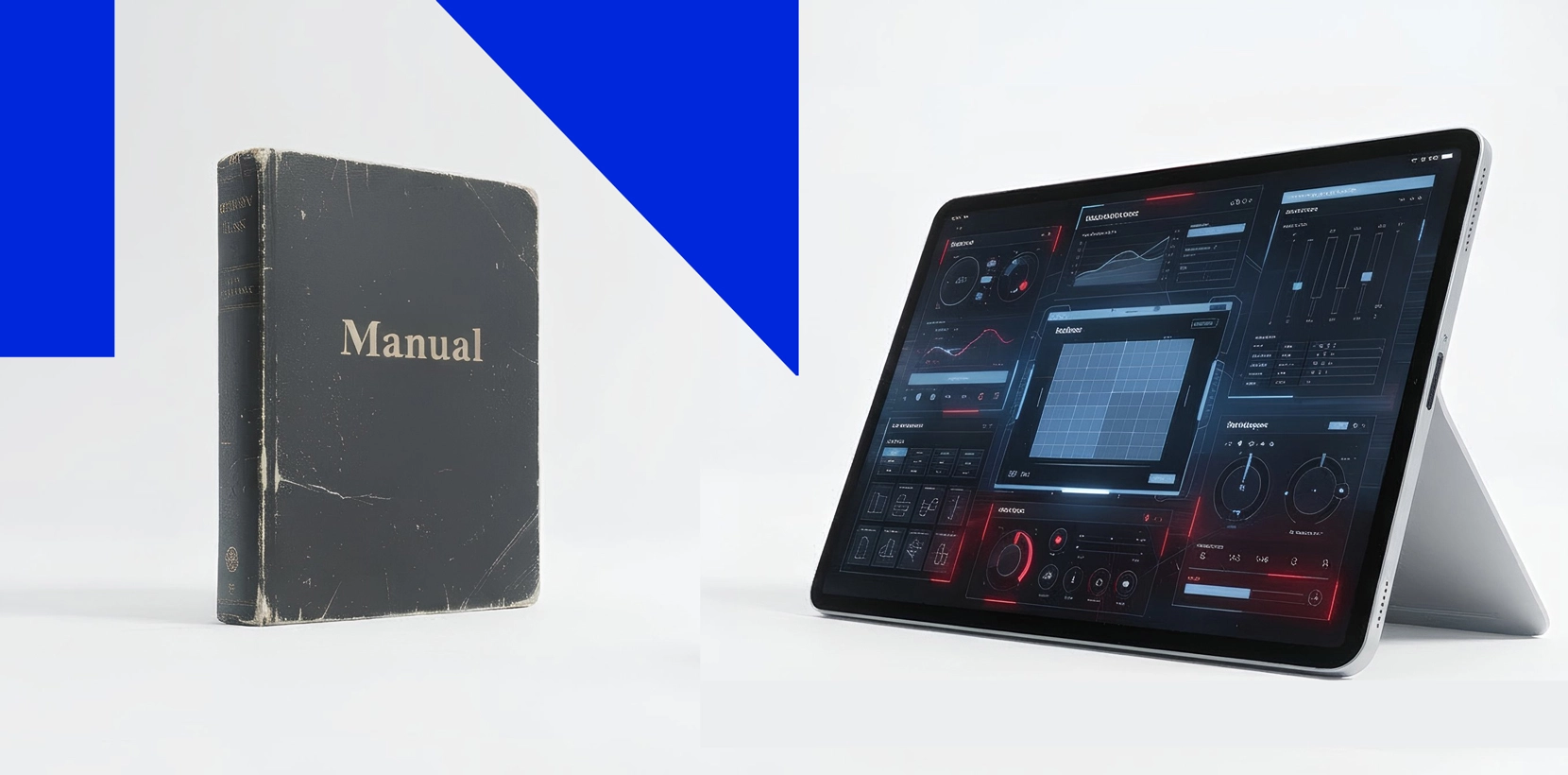
We’ve all seen it: the beautiful 80-page “Brand Bible” PDF that cost six figures and looks stunning on a coffee table. It’s elegant, it’s expensive, and it’s completely paralyzed. The second your marketing team tries to animate a social ad or your developers try to build an immersive dashboard, that PDF becomes a glorified paperweight.
Static vs. Scalable
Entering 2026, branding is no longer a destination; it’s a living ecosystem. The old way was a rigid set of rules—”don’t stretch the logo,” “only use these three hex codes.” The new way is a Living Design System.
If your brand guidelines haven’t evolved to account for dark mode, haptic feedback, or AI-generated micro-interactions, you aren’t building a brand—you’re building a museum exhibit. In a world of foldable screens and spatial computing, a “static” logo is a liability. Your brand needs to breathe, move, and react to the user.
Engineering the Identity
The secret to scaling this year is “Modular Branding.” This means treating your brand assets like code—flexible, responsive, and ready for any reality.
- Component-Based Design: Break your brand into “atoms” that can be rearranged without losing the soul of the identity.
- Contextual Awareness: Does your logo change weight when it’s on a dark background? It should.
- Performance-First Creative: If your brand assets are too “heavy” to load instantly on a mobile device, your design is actually hurting your reputation.
By engineering your identity, you eliminate the friction between “looking good” and “working well.”
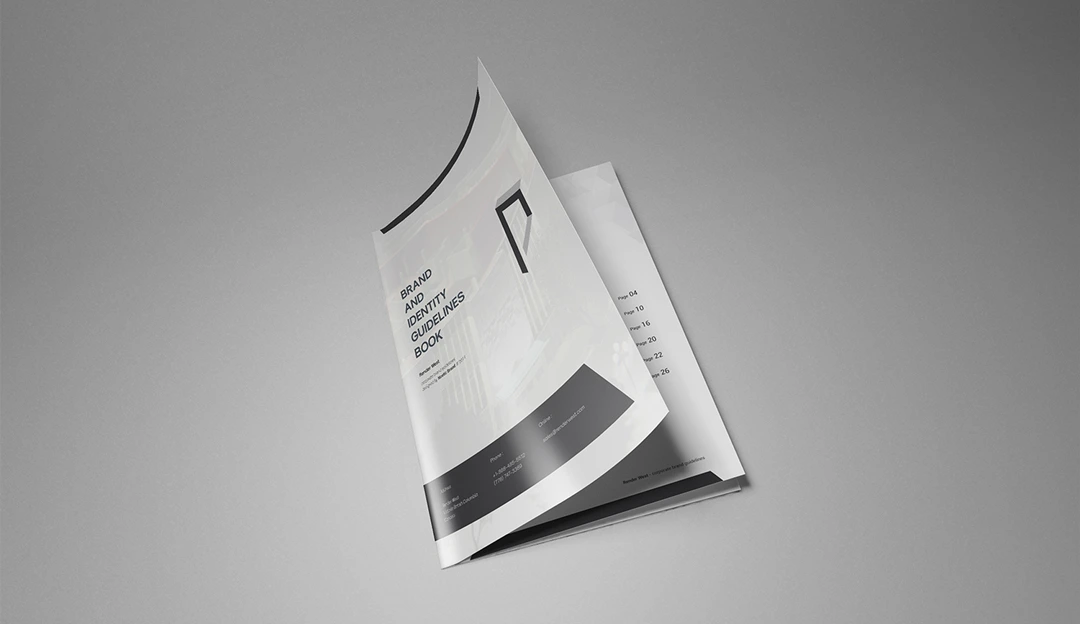
Is your brand ready for the 2026 landscape? [Book a Strategy Session] to turn your static assets into a living design system.